Liangjiang: A perfect blend of industrial heritage and urban renewal
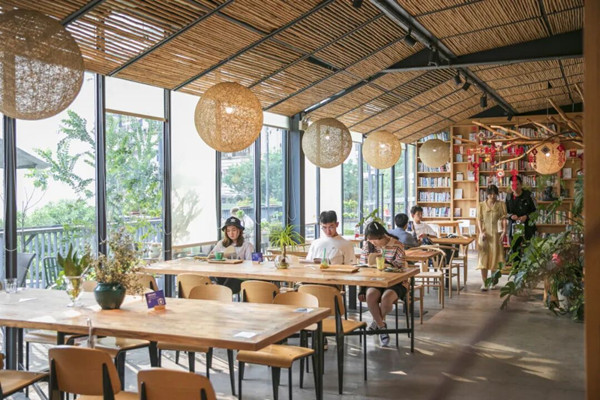
Residents enjoy the Beicang Library. [Photo/WeChat account of Liangjiang New Area]
Liangjiang New Area has been striving in recent years to strike a balance between heritage preservation and urban renewal. A standout example of this effort is Beicang Block, built in the 1960s as warehouses for the Jiangbei Textile Factory, which has since been transformed into a symbol of urban renewal and a cultural tourism landmark.
The principles of protective restoration and innovative renewal guided this transformation project. By repurposing dismantled bricks, aged wood, and iron doors as decorative elements, the project preserved the original industrial architecture while retaining the unique charm of its time-worn structures.
Public cultural spaces, such as the Beicang Library and various art venues, occupy about 50 percent of the area. The remaining half is dedicated to lifestyle aesthetics, cultural cafes, and creative restaurants. This blend creates a dynamic environment that serves as a workshop and testing ground for artists and creative professionals.
The block has attracted over 80 entrepreneurs, generating more than 500 jobs for locals. Beicang welcomes approximately 15,000 visitors daily, rising to 30,000 on weekends and over 80,000 during public holidays, and has drawn over 2 million tourists from January to October.